
Clay Rice Pot with Strainer Plate
Tax included.Shipping calculated at checkout
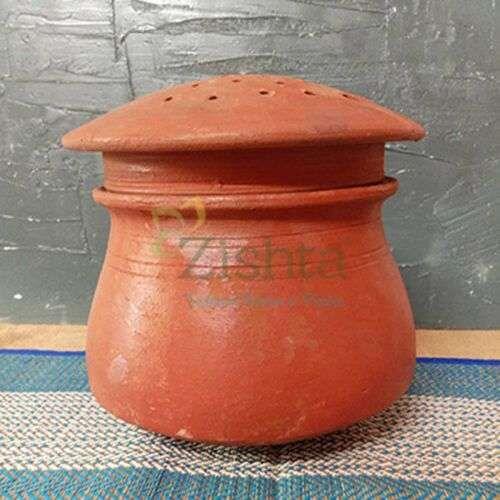
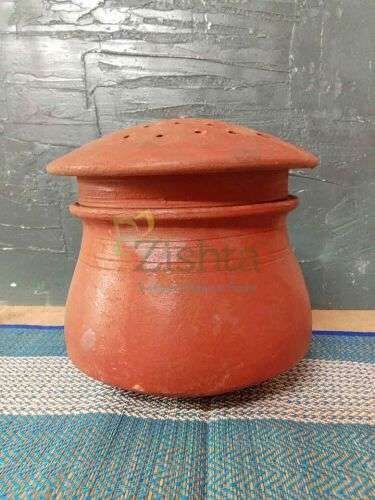
The Clay Rice Pot with Strainer Plate is a traditional earthen cooking pot designed specifically for cooking rice the way it was done in older Indian kitchens. Rice cooked in an unglazed clay pot develops a soft texture and a distinct aroma that f...
- Handmade by 650+ artisan families
- Heirloom craft lasts generations
- Traditional wisdom tested in our kitchens
- Secure Checkout UPI · Cards · COD
- Easy Returns 7-day window
- Traditional Guides ask us anything
OFFERS
COPY CODE to get 5% Discount* on purchase over Rs.3,000/-
(T&C Apply)
COPY CODE to get 8% Discount* on Purchase over Rs.7,500/-
(T&C Apply)
SECURE PAYMENT OPTIONS
 PAY VIA UPI
 $ VIA PAYPAL
PRODUCT INFORMATION
Weight (Kg) | Diameter In CM | Height In CM | Capacity (Litres) |
|---|---|---|---|
2.2 (with Plate) 1.4 (without Plate) | 17.8 (outer) 13.9 (Inner) | 16.5 (with Plate) 13.9 (without Plate) | 2.5 |
DISCLAIMER
All our products are handcrafted and this results in each product being unique and slightly different from each other and therefore will have variations on dimensions & weight.---------------------------------------------------------
The Clay Rice Pot with Strainer Plate is a traditional earthen cooking pot designed specifically for cooking rice the way it was done in older Indian kitchens. Rice cooked in an unglazed clay pot develops a soft texture and a distinct aroma that feels familiar and comforting.
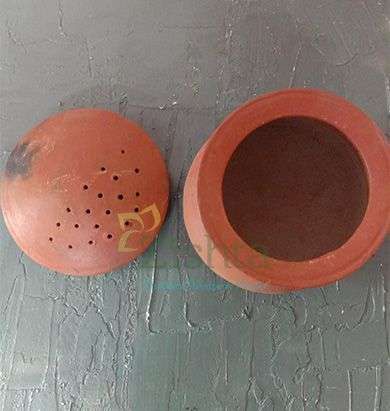
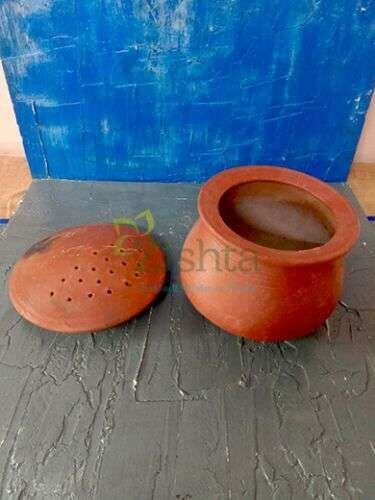
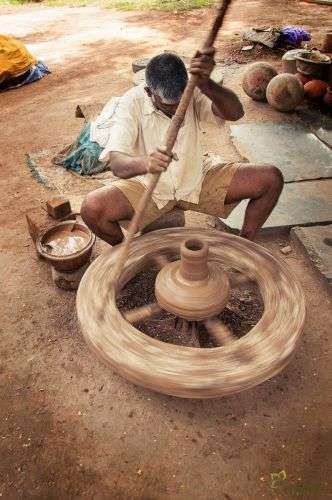
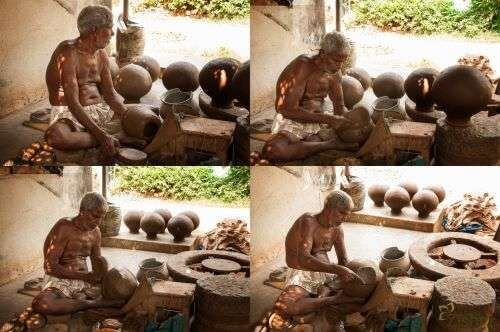
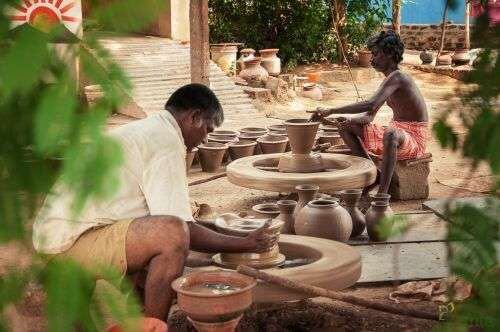
Zishta rice pots are made using unglazed clay sourced from the Cauvery delta region, an area known for its rich clay deposits and skilled potters. These pots are shaped using traditional techniques that focus on thickness, porosity, and heat balance. The included strainer plate sits on top of the pot and helps drain excess starchy water after cooking, while also doubling as a cover when needed.
This rice pot fits naturally into kitchens that value traditional cookware made with natural materials and thoughtful design. You can explore more options in this collection of clay cookware.
Product Highlights
- Unglazed Earthenware Construction - Made without glaze to retain the natural cooking properties of clay.
- Strainer Plate for Rice Cooking - Helps strain excess starch water from cooked rice for better texture.
- Traditional Handcrafted Process - Shaped by experienced artisans using time-tested earthenware techniques. Learn more about them here: Makers of Clay Cookware.
- Porous Clay Structure - Supports gentle heat circulation for even cooking.
- Safety-Tested Cookware - Tested in NABL-accredited laboratories and compliant with EU RoHS standards.
Why Choose This Clay Rice Pot
- Improves Rice Texture Naturally - Draining excess starch helps keep rice light and separate.
- Enhances Taste and Aroma - Slow cooking in clay brings out the natural flavour of rice.
- Supports Balanced Cooking - Clay is alkaline by nature and helps neutralise acidity in food.
- Rooted in Traditional Clayware Practices - Each pot reflects the skill of artisans who specialise in long-lasting earthenware.
-
Designed for Long-Term Use - With proper seasoning and care, this rice pot can be used for years. For guidance, see the utility and life of clay cookware.
Frequently Asked Questions
-
Why is rice traditionally cooked in a clay pot?
Clay allows slow, even heat, which helps rice cook gently and develop better aroma and texture. -
Can I cook different varieties of rice in this pot?
Yes. It works well for white rice, red rice, brown rice, and other traditional varieties. -
Will rice stick to the bottom of the clay pot?
When heated gradually and used correctly, sticking is minimal due to even heat circulation. -
Is the strainer plate used during cooking or after?
It is mainly used after cooking to strain excess water, but it can also be placed on top as a cover. -
Does the pot need special storage when not in use?
Store it completely dry in a ventilated space to maintain the clay’s strength. -
Does the rice pot need seasoning before use?
Yes. Proper seasoning before first use is recommended. Follow this clay cookware preparation guide.
More Questions are answered here: Clay Cookware FAQs.
Packaged and Marketed by:
Zishta Traditions Private Limited
Address: 25/1, 9th Cross, 19th A Main, JP Nagar 2nd Phase, Bangalore 560078
Contact: +919008220185 , support@zishta.com
Country of Origin: India
Frequently Asked Queries
Quick clarifications to assist you in your purchase!
What is the life of Clay cookware
Generally good quality clay lasts anywhere between 12-18 months depending on frequency of usage.
What is your return /refund policy on Clay cookware
Our Return and Refund policy is clearly mentioned here: Return & Refunds
Please note that clay cookware being a breakable product is non-returnable and cannot be exchanged. Please speak to our expert , understand everything about this products before purchase.
Any product damaged during shipping will be provided with free replacement.
What is the difference between Red Clay and black Clay cookware
When red clay is double backed, they turn completely black. Key difference is black clay has a much longer life and lighter.
Red clay has more natural minerals which are infused in to the food cooked in them where as black clay does not infuse much.
Which cluster makes Clay cookware for Zishta
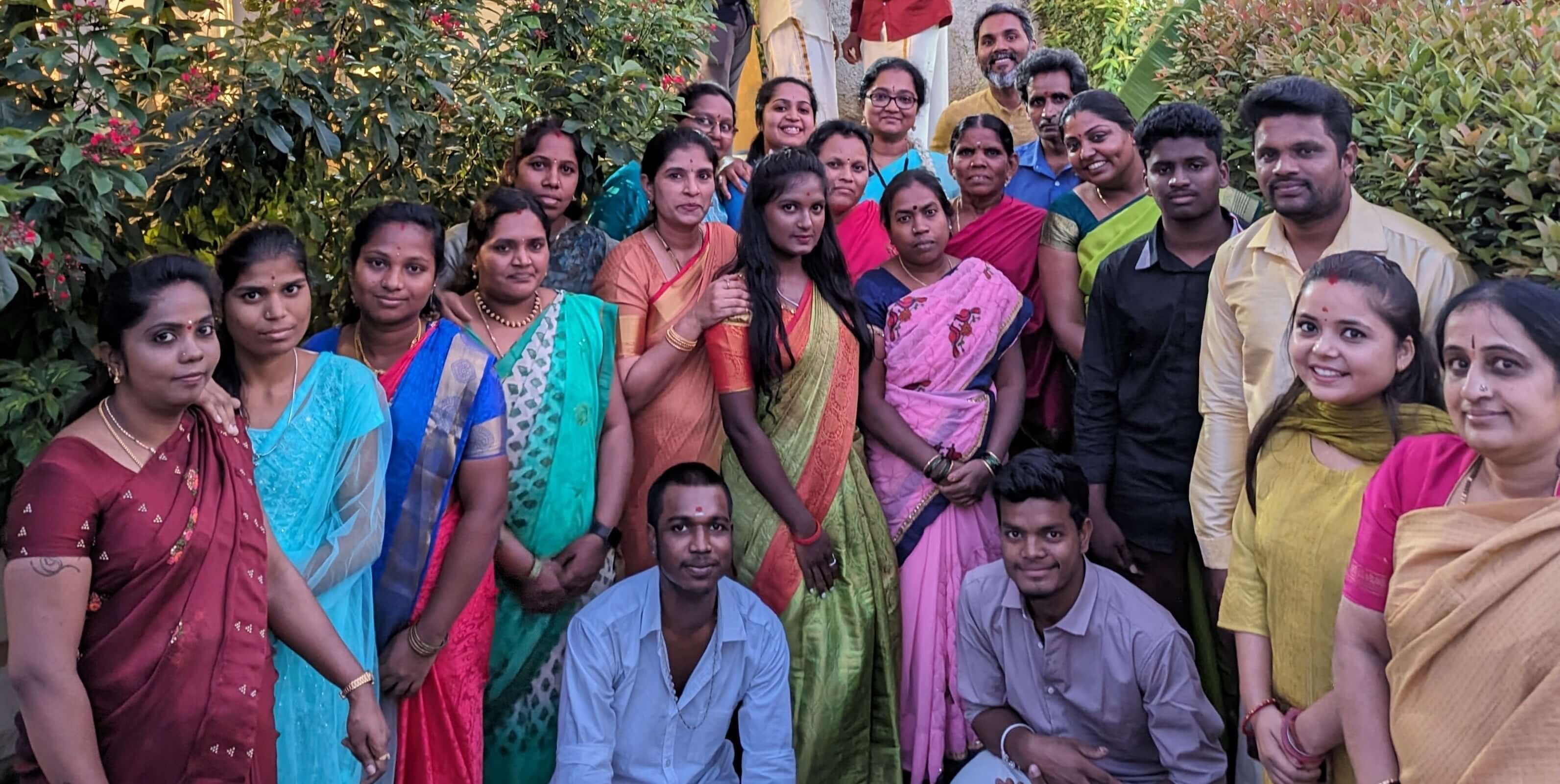
We work with the age old cluster of Cuddalore and Pondicherry who have honed their craft in the Cauvery Delta Region. The delta region clay is known for its strength and purity.
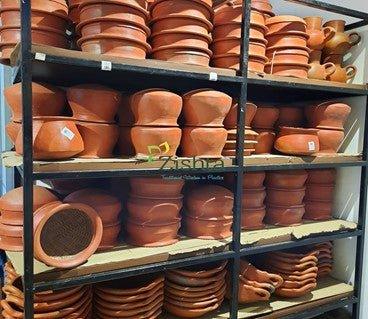
Clayware-Clay Cookware – Frequently Asked Questions
Frequently asked questions about Clayware-Clay Cookware
Bodha our Blog
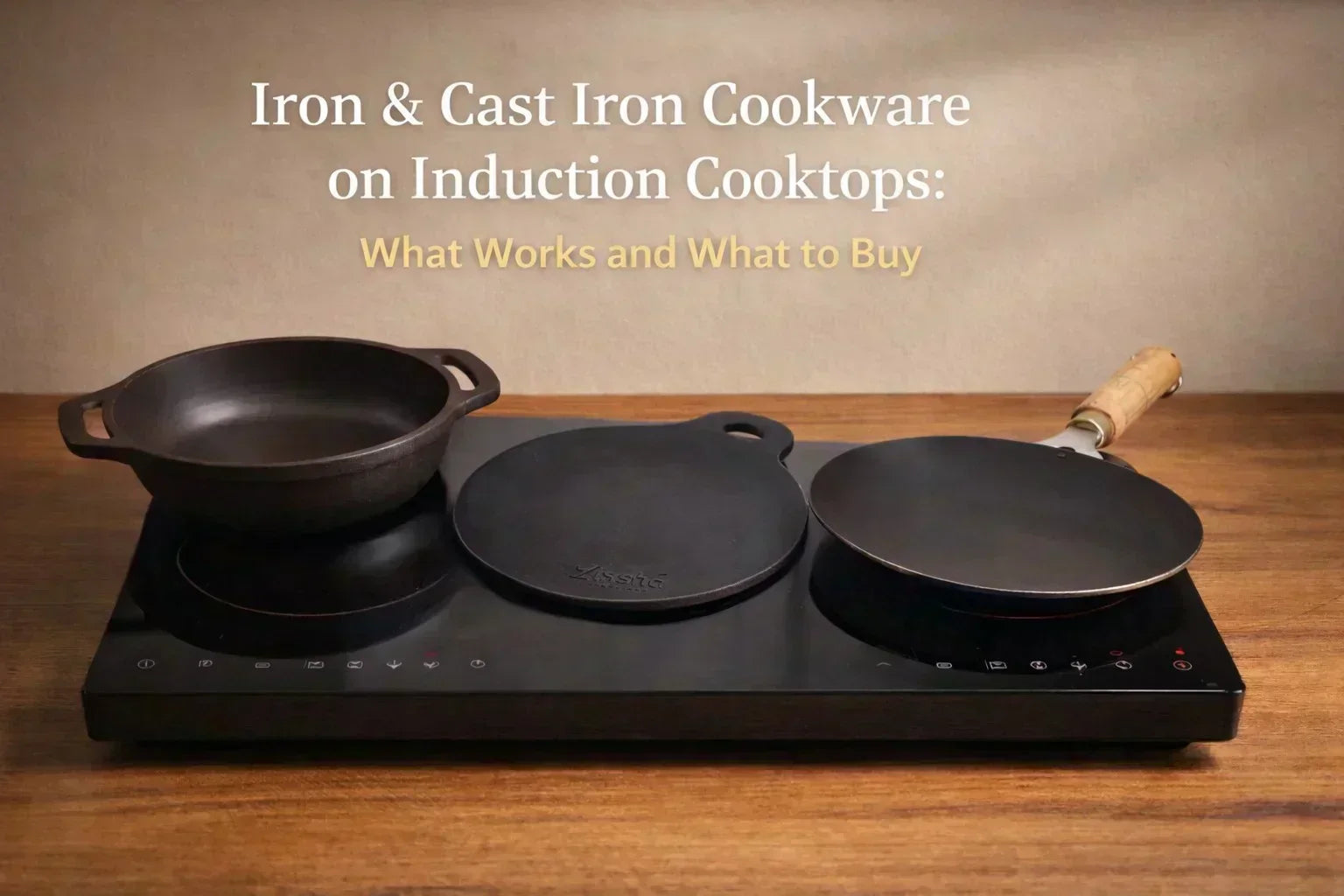
Iron & Cast Iron Cookware on Induction Cooktops: What Works and What to Buy
Not all iron cookware works the same on induction. Learn which iron and cast iron cookware are compatible, what to look for before buying, and how to choose the right cookware for everyday use.
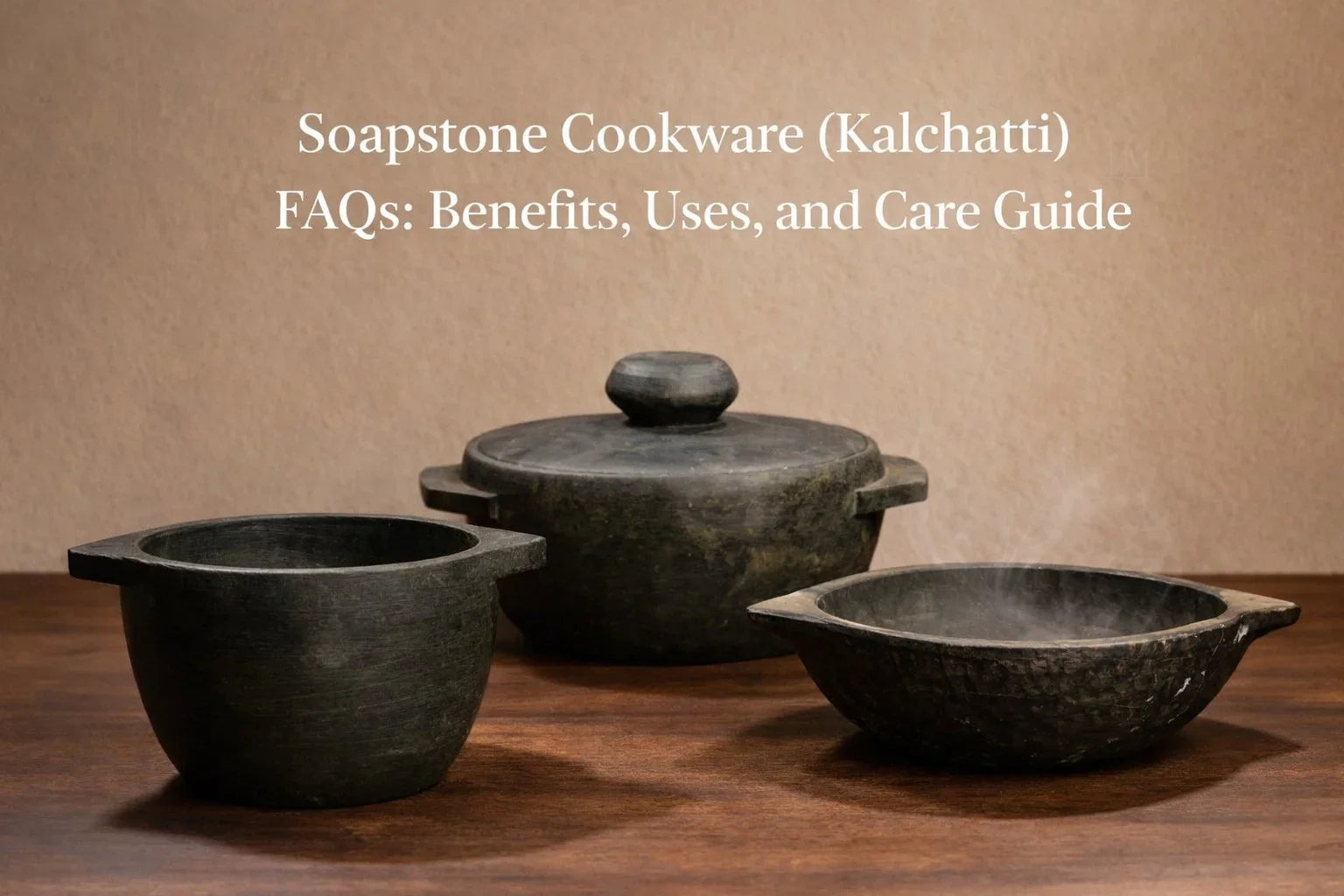
Traditional Soapstone Cookware (Kalchatti) FAQ: Uses, Health Benefits, and Maintenance
Read our soapstone cookware (kalchatti) FAQs blog to learn about its benefits, uses, health advantages, heat retention, seasoning, and care. Discover why traditional stone cookware is a trusted cho...
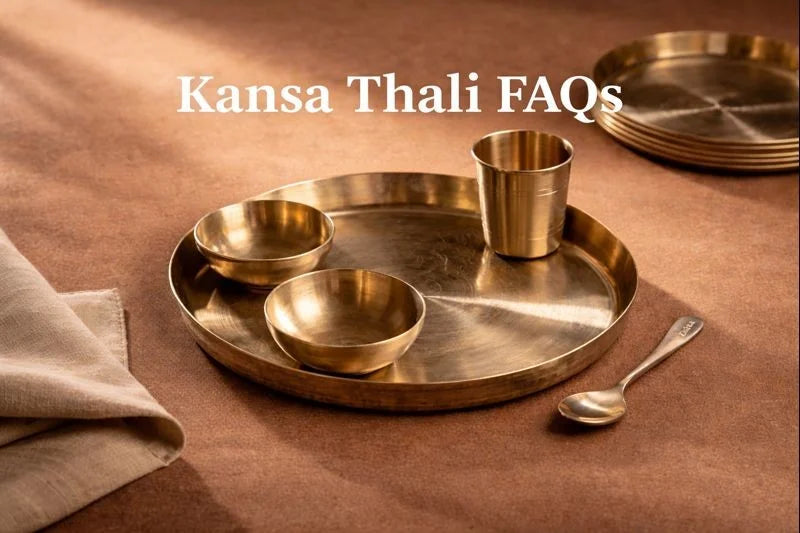
Kansa Thali FAQs: Benefits, Daily Use, Purity, Care & Safety Explained
A complete FAQ guide to Kansa thali covering health benefits, daily use, food safety, purity checks, and care - answered simply for first-time and regular users.