
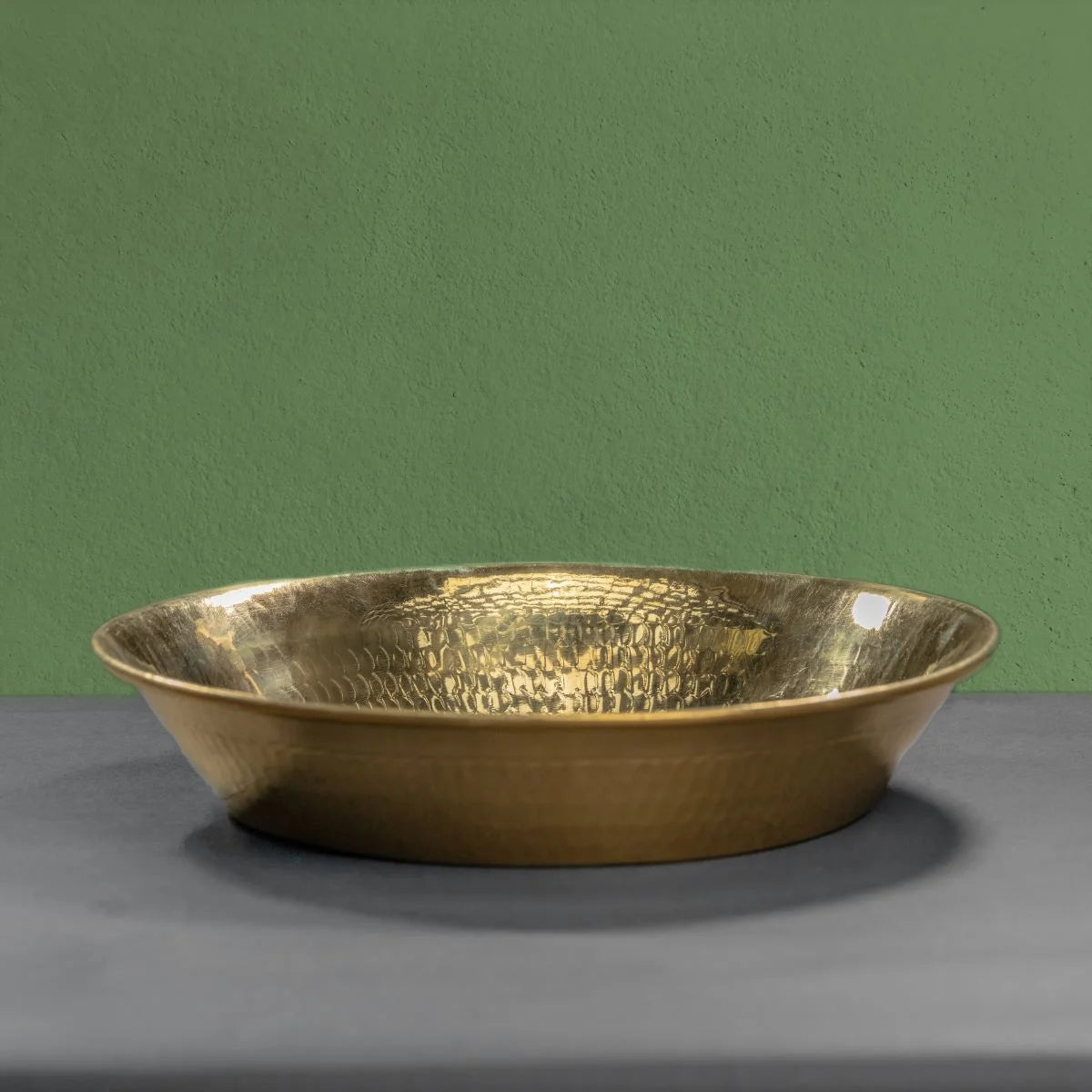
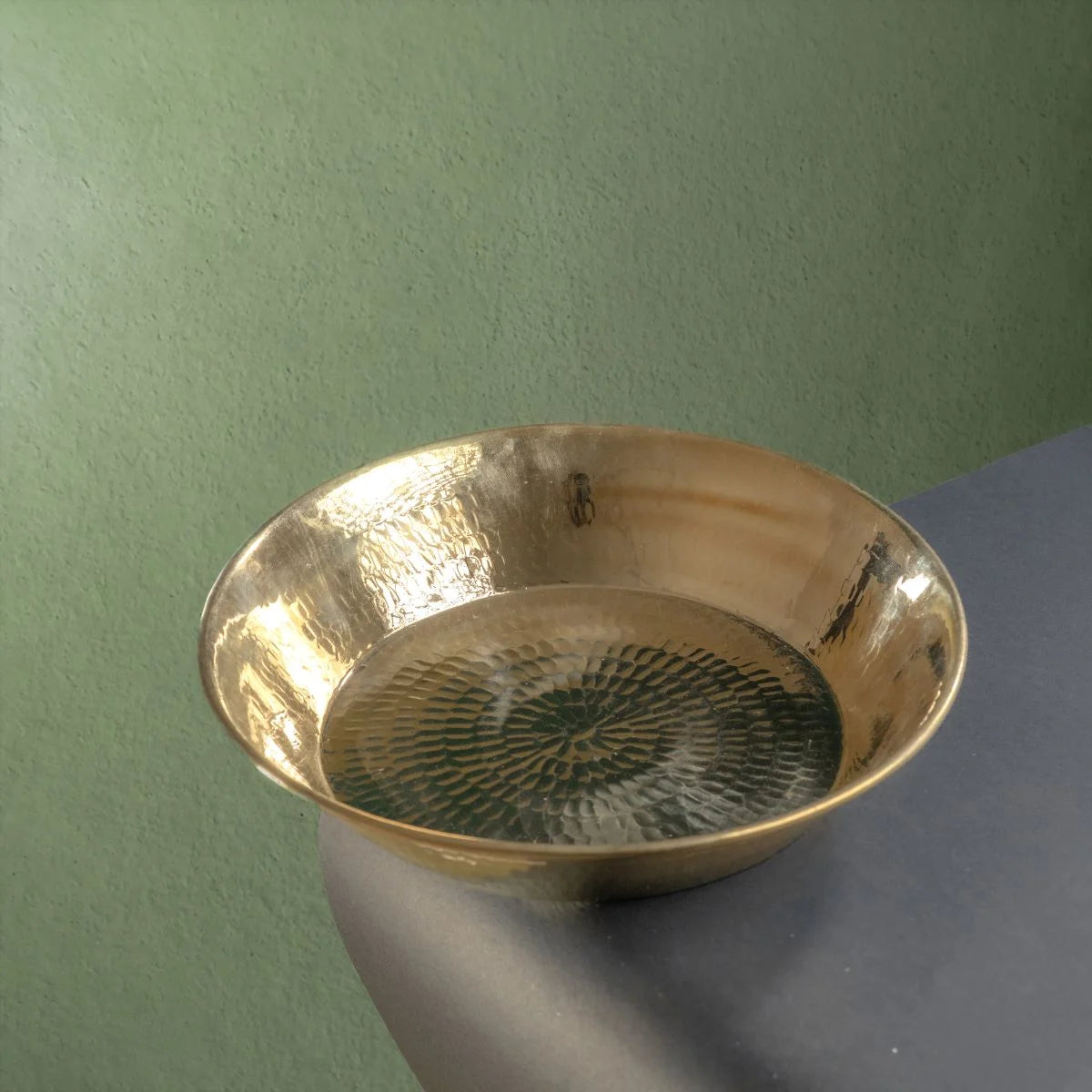
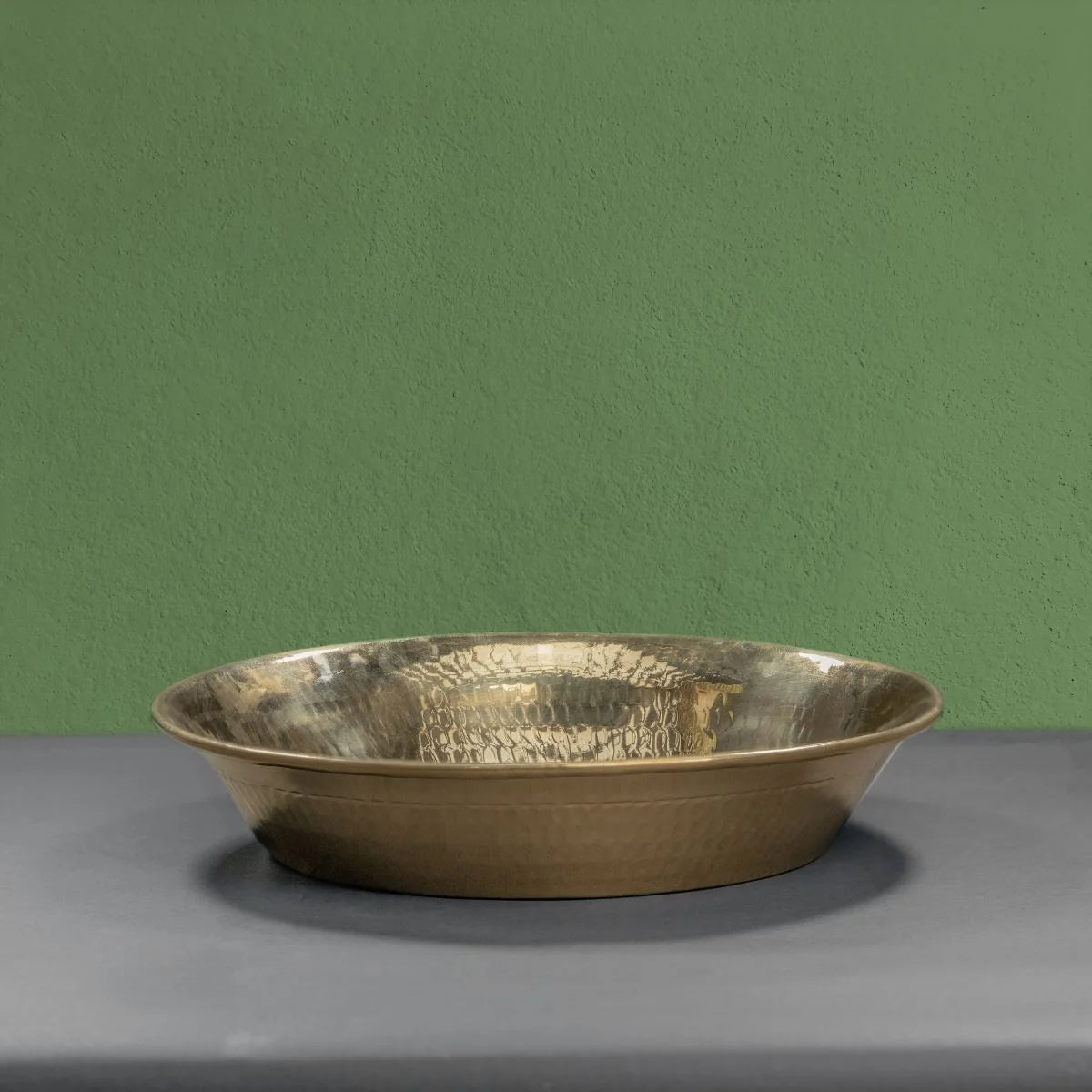
Brass Paraat Large Without Tin Coating (From Jandialaguru)
Tax included.Shipping calculated at checkout
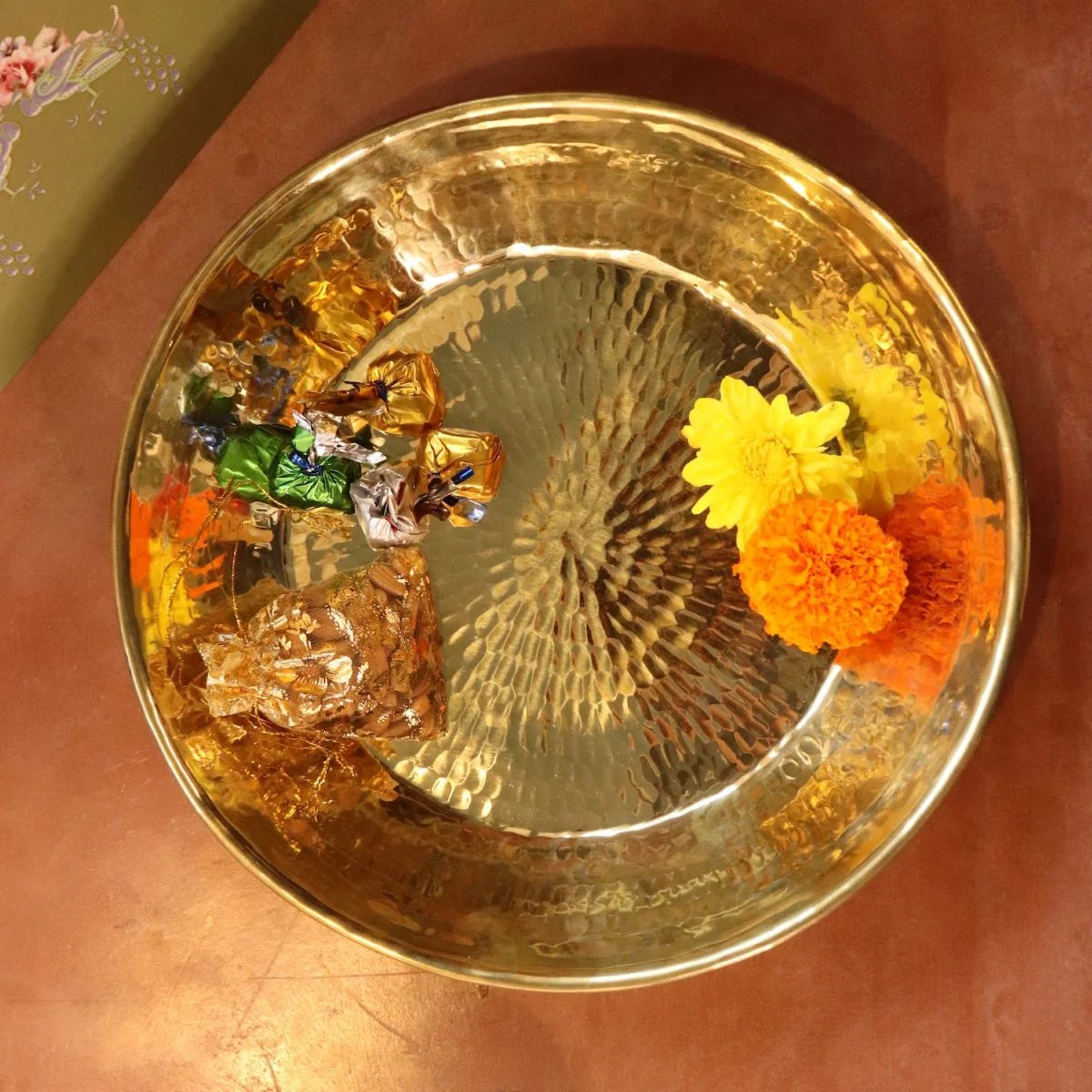
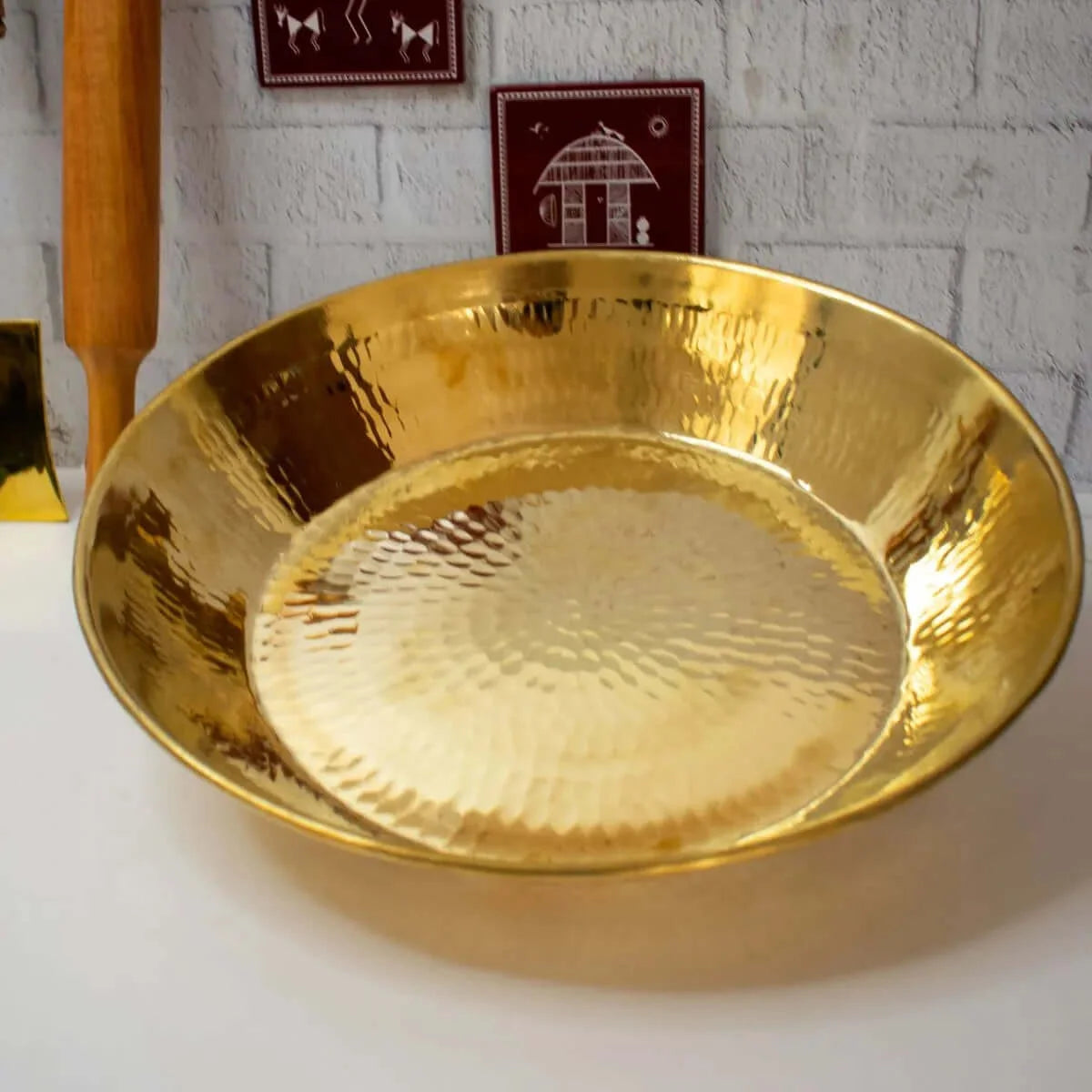
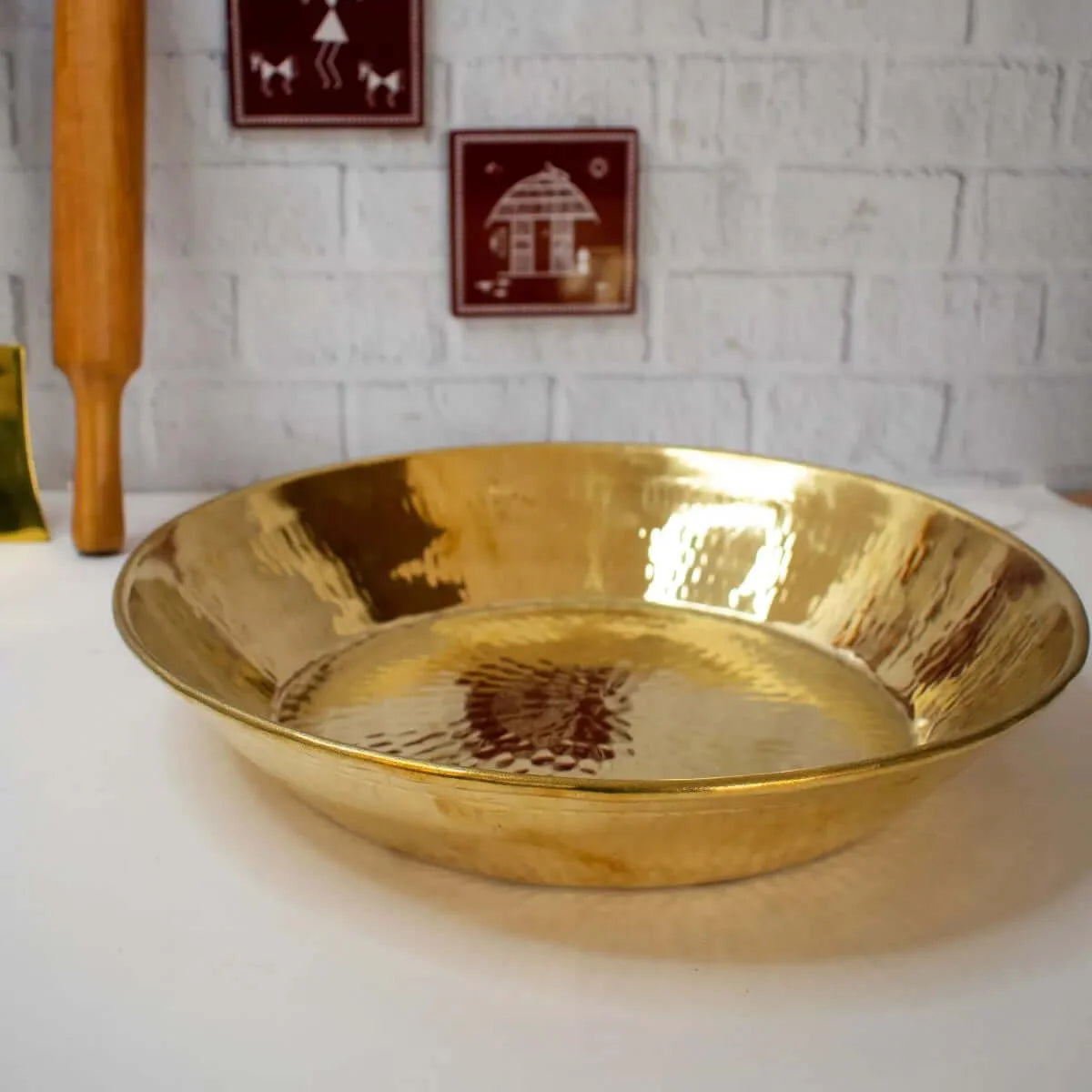
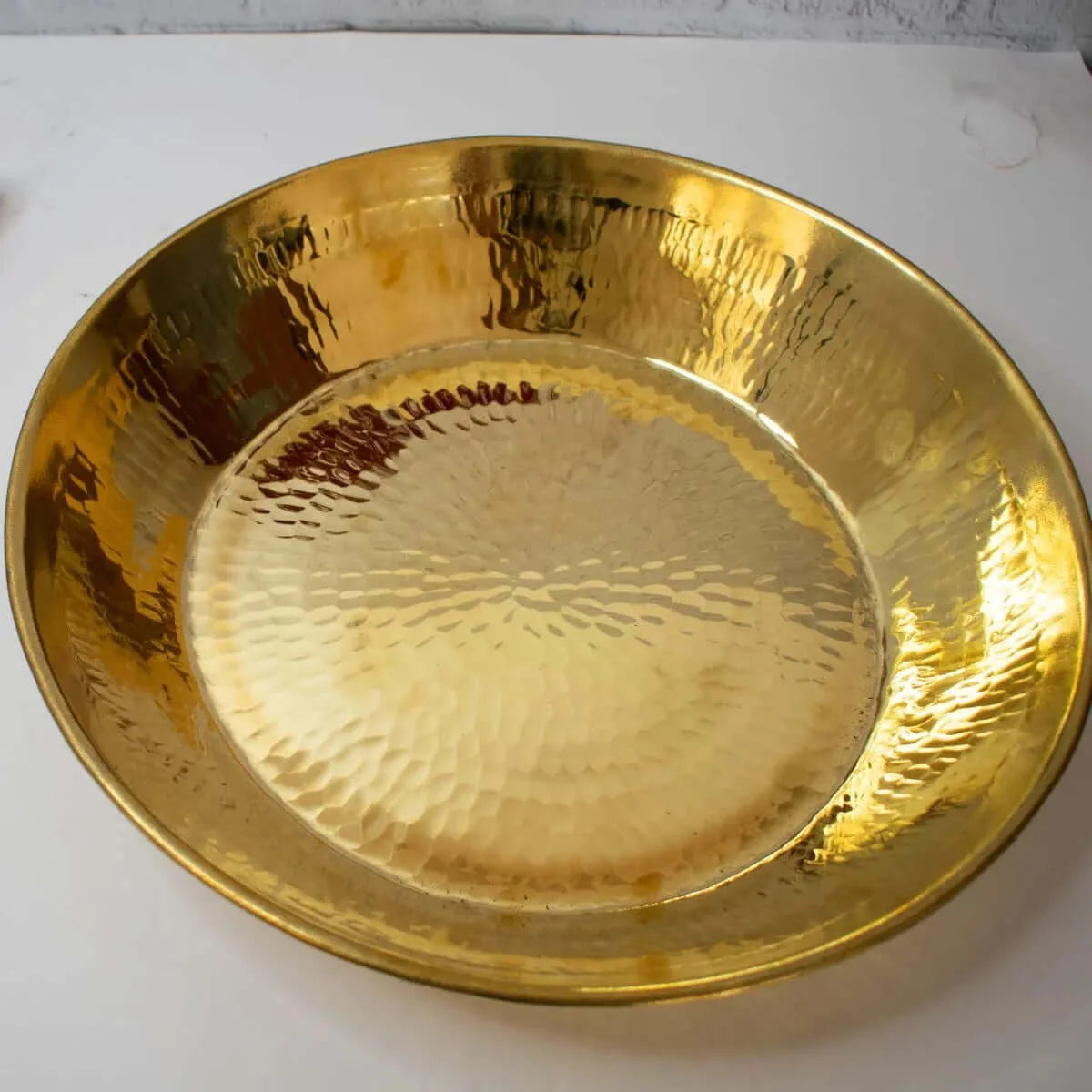
A Brass Paraat is a traditional, large, wide, round, shallow tray with raised edges made of brass, and is used for kneading dough or serving food. It is also called as Pithalai Thambalam (பித்தளைத் தாம்பாளம்) in Tamil. Handcrafted by the UNESCO r...
- Handmade by 650+ artisan families
- Heirloom craft lasts generations
- Traditional wisdom tested in our kitchens
- Secure Checkout UPI · Cards · COD
- Easy Returns 7-day window
- Traditional Guides ask us anything
SECURE PAYMENT OPTIONS
 PAY VIA UPI
 $ VIA PAYPAL
PRODUCT INFORMATION
| Product | Weight (Kg) | Diameter In CM | Height In CM |
|---|---|---|---|
| Paraat | 0.8 - 1.1 | 32.0 - 33.0 | 6.0 - 6.4 |
DISCLAIMER
All our products are handcrafted and this results in each product being unique and slightly different from each other and therefore will have variations on dimensions & weight.---------------------------------------------------------
A Brass Paraat is a traditional, large, wide, round, shallow tray with raised edges made of brass, and is used for kneading dough or serving food. It is also called as Pithalai Thambalam (பித்தளைத் தாம்பாளம்) in Tamil.
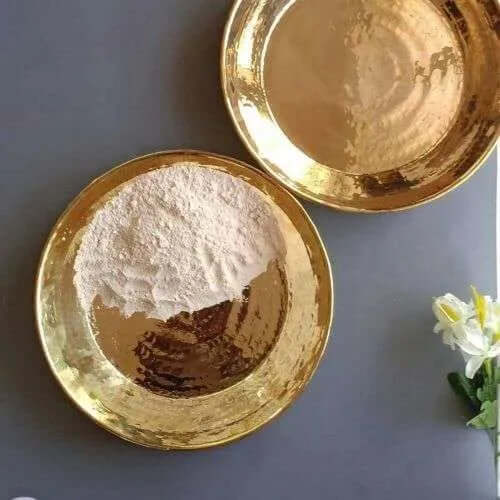
Handcrafted by the UNESCO recognised Thatheras of Jandiala Guru, this traditional brass paraat celebrates centuries-old Indian wisdom in everyday cooking. Designed specifically for kneading dough, mixing ingredients, and storing non-acidic or uncooked food items, this paraat is intentionally crafted without tin coating (kalai) - exactly as recommended by the artisans themselves for this category of use.
Product Highlights
- Material: Pure Brass (Pital), an Alloy of Copper and Zinc.
- Heritage Craftsmanship: Handcrafted by Thatheras near Amritsar, Punjab, who have been known for their traditional brass and copper utensil-making craft for many generations.
- Design: Large, wide, round, shallow tray with raised edges.
- Size: Large
- Usage: Dough kneading, mixing ingredients, storing fresh rotis, serving.
- Care: Avoid harsh or abrasive detergents. After cleaning wipe it dry immediately to avoid marks on the utensil.
- Note: Brass is generally used with Tin Coating in the cooking process. As per the traditional knowledge gathers from the Thatheras community, for these particular application-dough making, roti storage, the same can be used without tin coating.
Why Choose a Tin-Free Brass Paraat
- Ideal for Non-Acidic Uses- While brass utensils used for direct cooking generally require tin coating, dough kneading and roti storage do no involve acids or high heat, making kalai (tin coating) unnecessary. The Thatheras emphasize this distinction, ensuring you get a safe, authentic, and purpose-crafted kitchen accessory product exactly as tradition intended.
- Preserves Nutritional Value - Brass helps retain natural anti-oxidants and moisture in the atta, resulting in softer dough and better rotis. To know more benefits of Brass, read Key Benefits of Brassware.
- Heavy-Gauge Brass for Stability - The wide, deep, and weight-balanced design ensures ease with kneading large batches of dough.
- Authentic, Durable & Low Maintenance - Without tin-coating, the paraat demands minimal care and remains functional for years.
Frequently Asked Questions
Q1. Does using a tin-free brass paraat affect the dough quality?
Yes, positively. Brass naturally retains the antioxidants and moisture in wheat flour, helping you achieve softer, more pliable dough for rotis and parathas.
Q2. Is this paraat suitable for kneading large batches of atta?
Absolutely. Its wide diameter, deep curve, and heavy-gauge brass provide excellent stability, making it ideal for everyday or bulk dough preparation.
Q3. Will the brass darken over time if there is no tin coating?
A natural patina forms gradually on pure brass. This does not impact usability and is considered normal for authentic metal cookware.
Q4. How durable is a tin-free brass paraat?
Without tin coating, the paraat becomes structurally stronger and more long-lasting, as there is no lining to wear out. It can last for decades with basic care.
Q5. Does the handcrafted hammering improve paraat performance?
Yes. The traditional hammering by Thatheras increases surface strength and rigidity, making the paraat more stable during kneading and resistant to deformation.
Packaged and Marketed by:
Zishta Traditions Private Limited
Address: 25/1, 9th Cross, 19th A Main, JP Nagar 2nd Phase, Bangalore 560078
Contact: +919008220185 , support@zishta.com
Country of Origin: India
Frequently asked Queries
Get your queries answered fast!
Do brass cookware need Kalai
Yes. All brass cookware except those for storing water/making coffee need kalai to prevent adverse reaction with the acidic elements of the food cooked in them.
How frequently do you need to do Kalai?
Depending on usage, kalai has to be redone between 12-15 months.
Does brass cookware work on induction and hot plates?
Brass cookware does not work on induction gas stops. You can use an induction converter to make these stove tops into a hot plate and use all traditional cookware, They do work on hot plates.
What are the benefits of Cooking in Brass?
1. Preserves >90% of nutrition
2. Alkaline property of brass neutralises acidity and protects your gut health.
What are the Clusters who make Zishta Brass Range?
We work with 8 clusters across India to bring the widest brass range:
Tamil Nadu: We work with two traditional clusters in Tamil Nadu who make the light weight sarva, vaana etc and the best selling Idli Pathiram!
Maharashtra: Tambat Craftsmen of Kokan who create our magical masala dabba, filter, davara tumbler and the traditional Masala Ghee and tea pot.
Gujarat: We have recreated the amazing Masala box and the pot shaped ghee pot working with this cluster.
Punjab & Haryana: The only UNESCO World Heritage recognised cluster is located in this region.
Uttar Pradesh: We work with two clusters in UP to bring authentic handcrafted brass range.
Is Brass dishwasher Safe?
Actually they are! It all depends on the detergent used and cleaning mode. Always test your brass once in dishwasher. Always clean brass in extra dry mode so all moisture and water is removed after cleaning.
Why buy from Zishta?
Authentic handcrafted traditions making each piece unique adoring your modern home
Crafted by generational artisans with cherished history making every item a "Masterpiece"
One Stop Shop for all Traditions of Bharat
Zishta purpose is to connect you back to your roots!
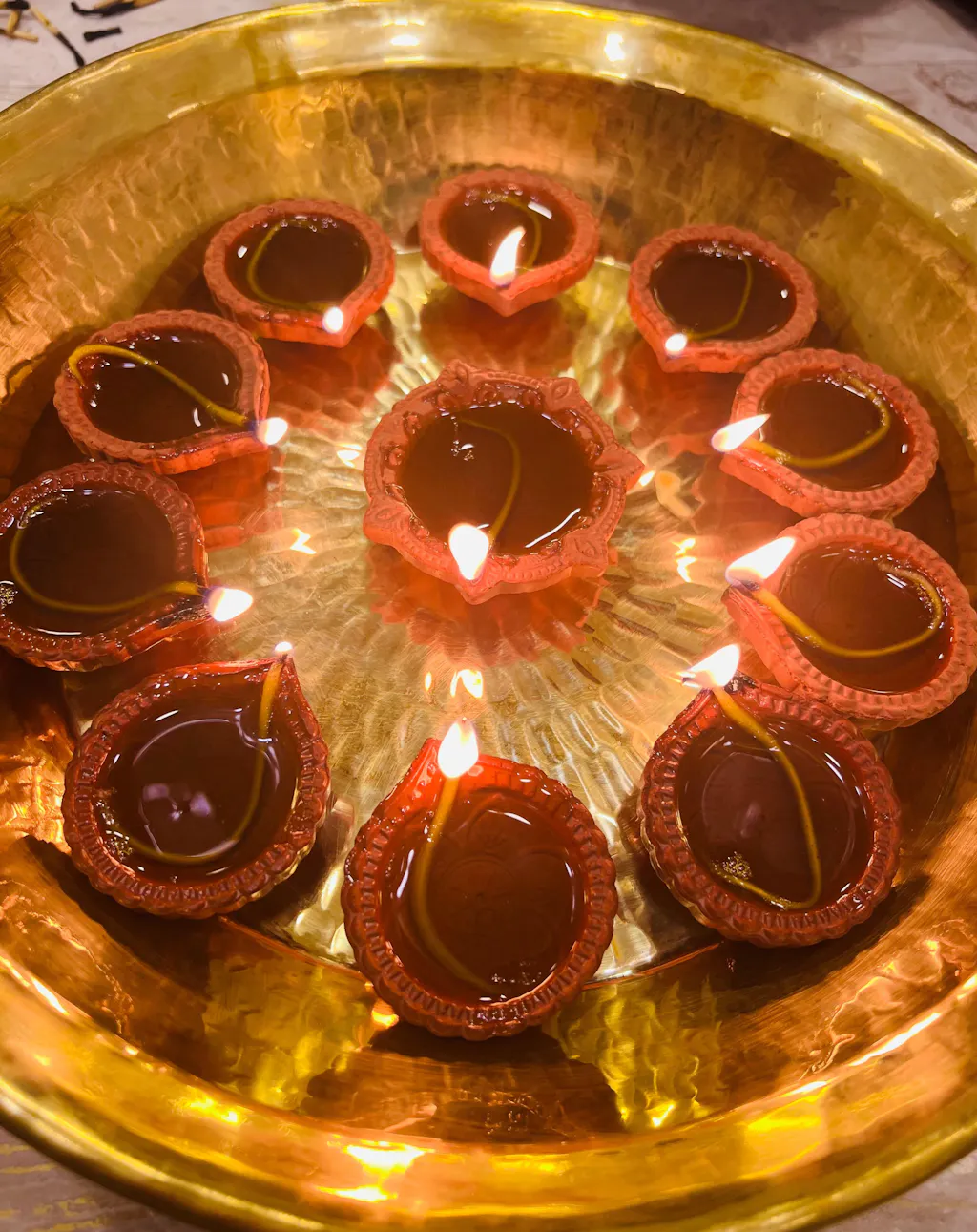


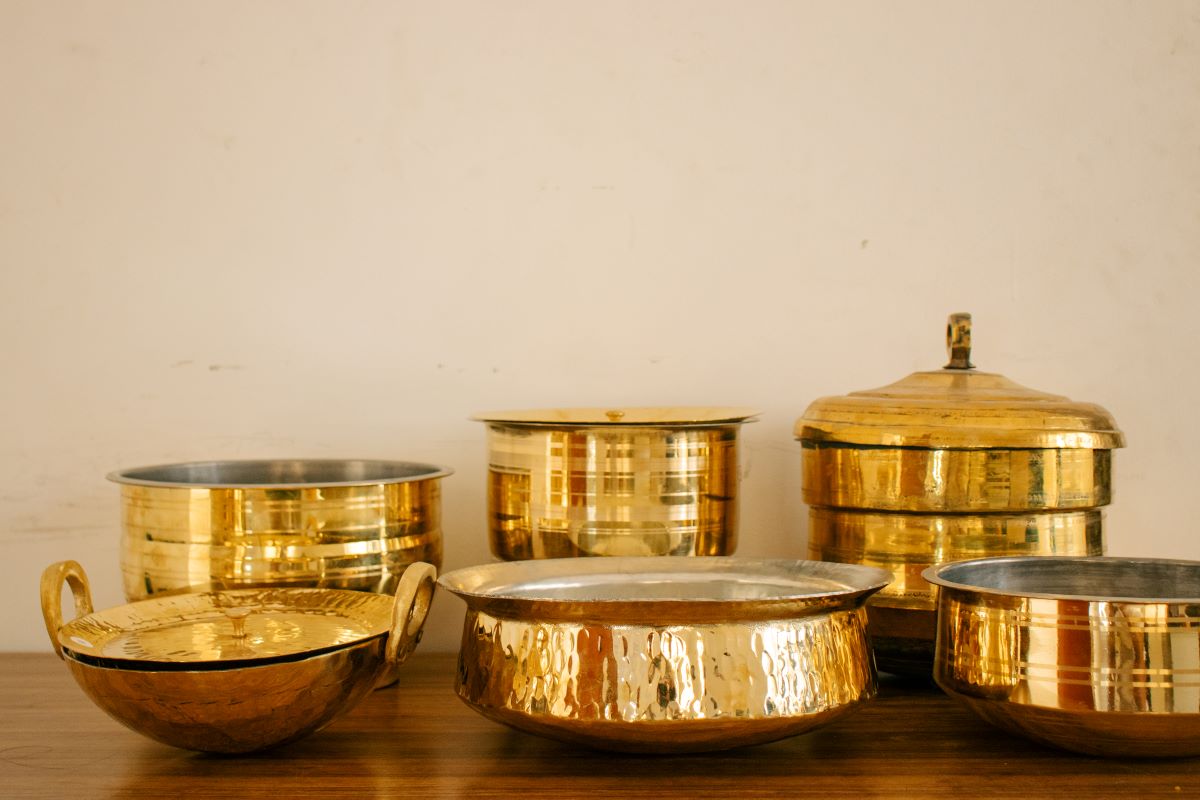
The Timeless Elegance of Brass Cookware: The Benefits, Care, and Cooking Tips You Need to Know
Brass cookware is a popular choice for cooking enthusiasts who want high-quality, durable, and visually appealing cookware. Brass has excellent thermal conductivity, allowing for even heat distribu...
Bodha our Blog
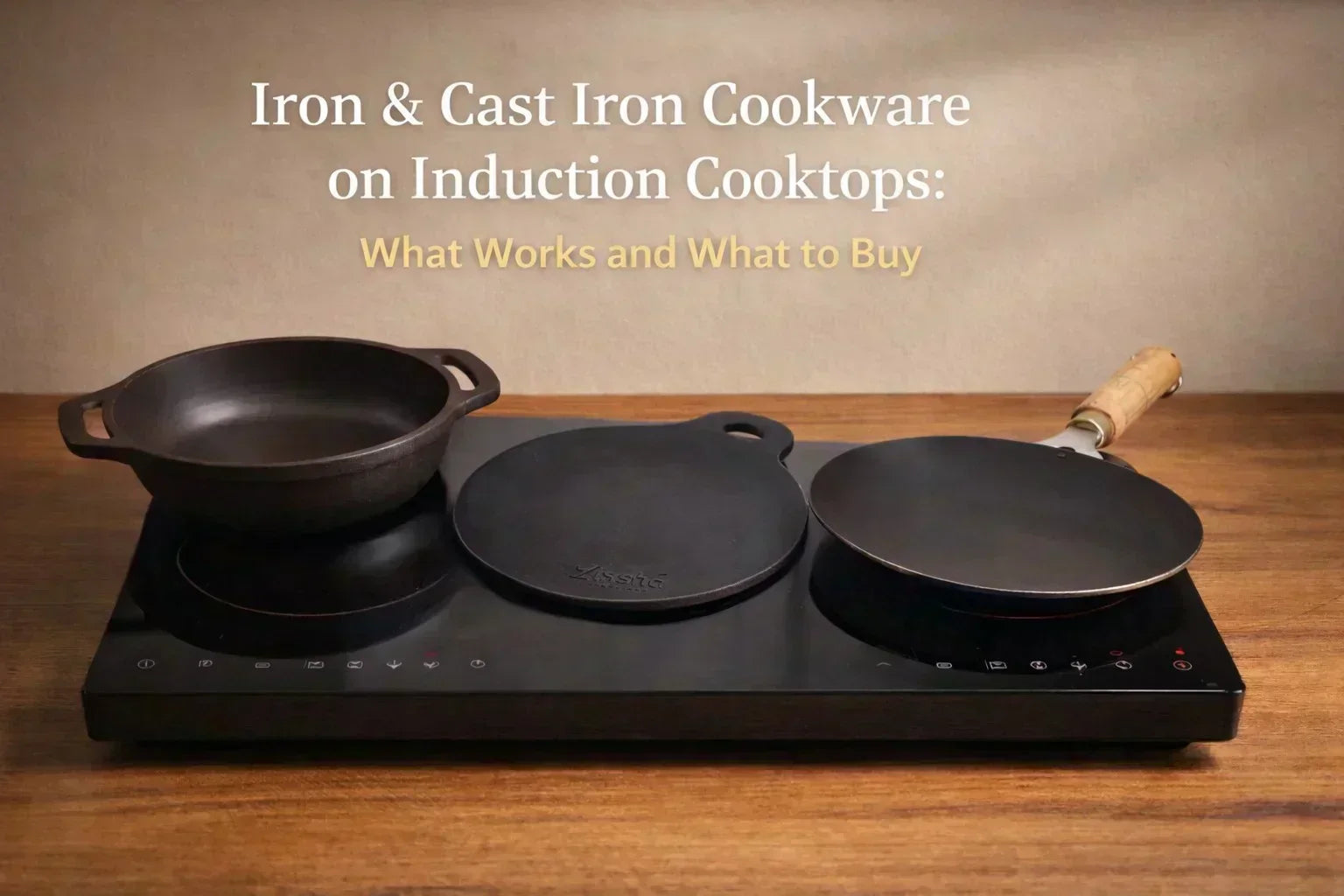
Iron & Cast Iron Cookware on Induction Cooktops: What Works and What to Buy
Not all iron cookware works the same on induction. Learn which iron and cast iron cookware are compatible, what to look for before buying, and how to choose the right cookware for everyday use.
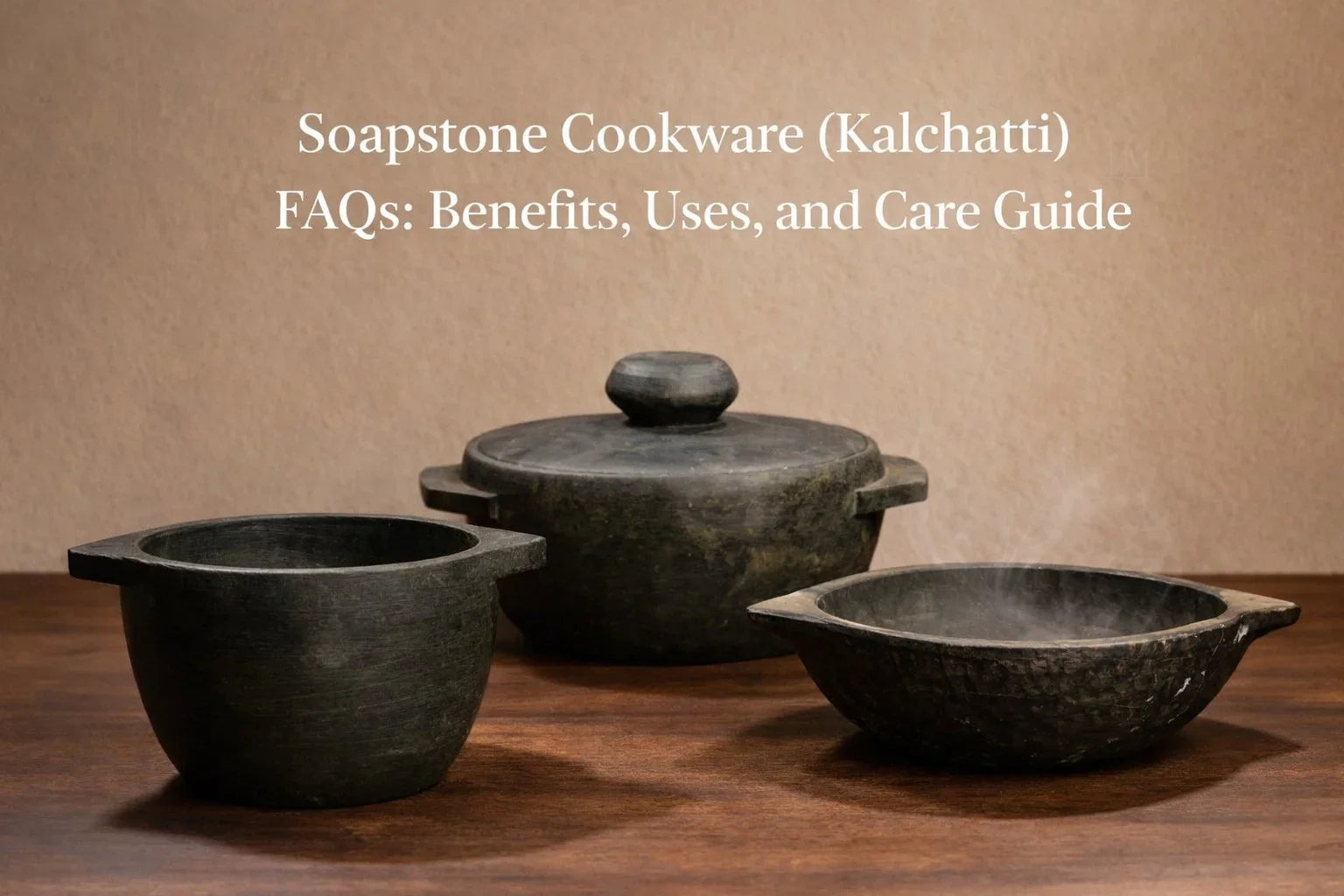
Traditional Soapstone Cookware (Kalchatti) FAQ: Uses, Health Benefits, and Maintenance
Read our soapstone cookware (kalchatti) FAQs blog to learn about its benefits, uses, health advantages, heat retention, seasoning, and care. Discover why traditional stone cookware is a trusted cho...
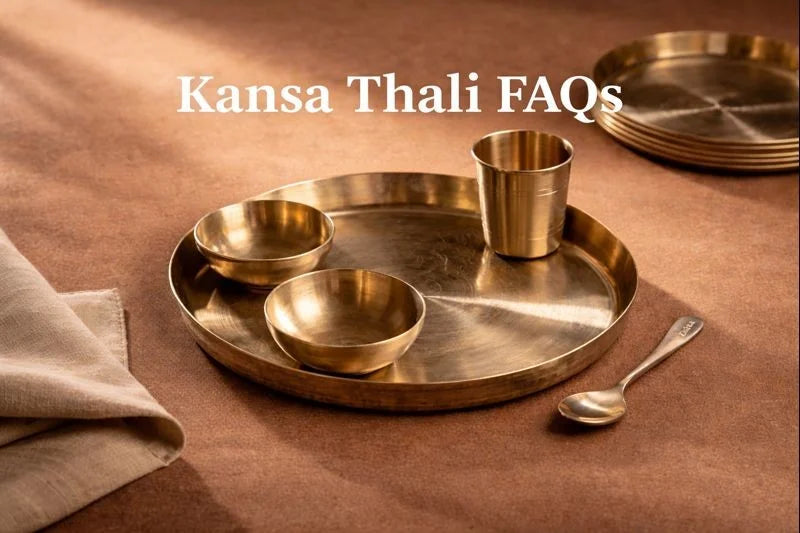
Kansa Thali FAQs: Benefits, Daily Use, Purity, Care & Safety Explained
A complete FAQ guide to Kansa thali covering health benefits, daily use, food safety, purity checks, and care - answered simply for first-time and regular users.